Choosing bathroom tiles is a foundational decision for style and longevity. The right tiles resist moisture, are easy to clean, and complement the overall design of the space. This guide covers materials, sizes, installation, maintenance, and budgeting to help you design a functional, stylish bathroom that lasts.
Understanding Tile Materials
Ceramic and Porcelain Tiles
Ceramic tiles are affordable and versatile, offering a wide range of designs and colors. Porcelain tiles, a denser variant, have lower water absorption and greater durability, making them ideal for floors and wet walls where moisture resistance is crucial.
Natural Stone Tiles
Natural stone such as marble, travertine, or slate brings timeless beauty and unique veining. Stone tiles require more maintenance, including sealing and regular care, to protect against staining and etching in a humid bathroom environment.
Glass and Mosaic Tiles
Glass tiles reflect light, creating a sense of space and a contemporary feel. Mosaic tiles add texture and detail for backsplashes, shower niches, or accent walls, though they can be slick on floors and may require more grout maintenance.
Choosing Tile Sizes, Patterns, and Finishes
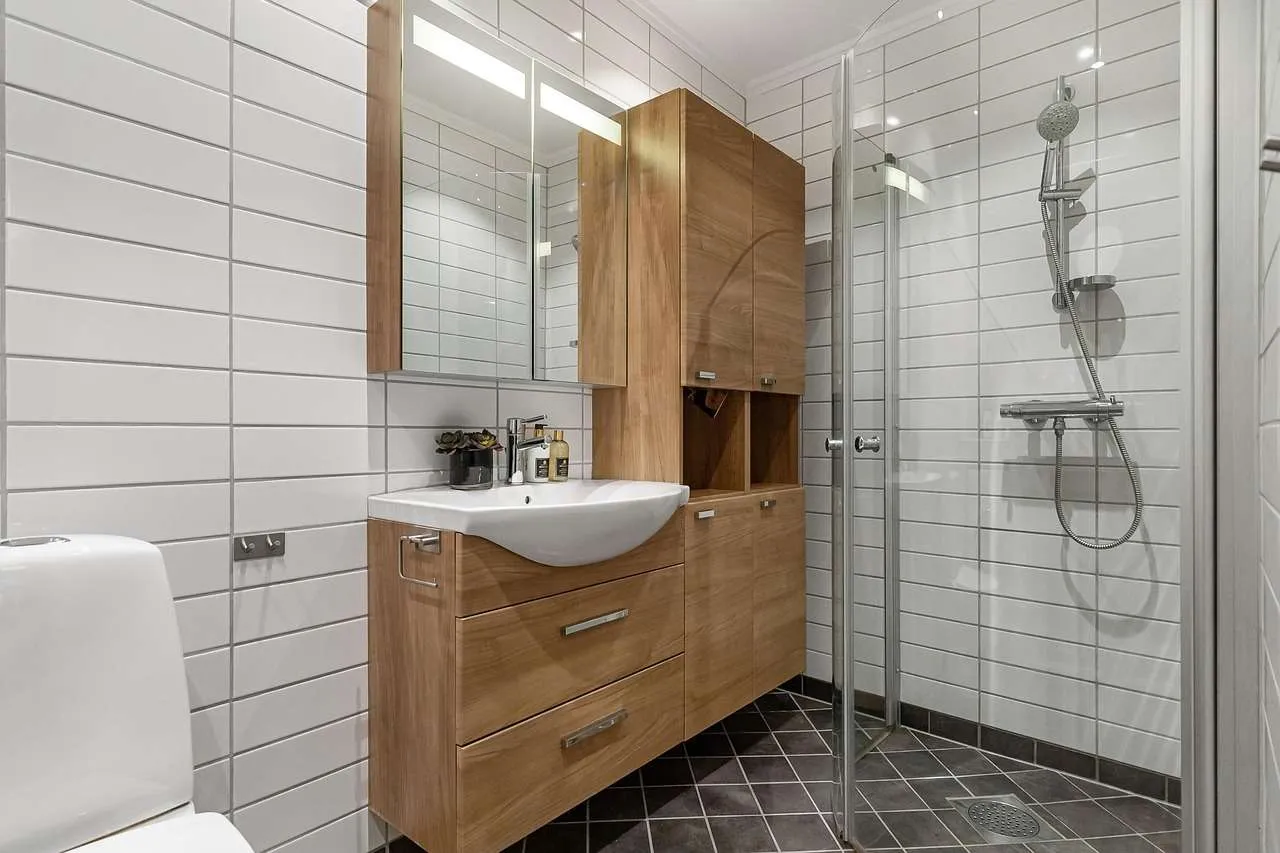
Tile size influences room perception: large-format tiles create a seamless look with fewer grout lines, while smaller tiles offer intricate patterns and texture. Popular patterns include subway, herringbone, and chevron, each lending a distinct character. Finishes range from glossy to matte to satin; matte finishes hide water spots and fingerprints but may require occasional resealing for stone and certain marble varieties. Consider slip resistance, especially for bathroom floors, when selecting finishes.
Installation and Waterproofing Essentials
Proper substrate preparation is essential. A waterproof membrane and moisture-tolerant backer boards protect walls and floors in wet zones. Grout selection and sealing are critical for longevity; epoxy grout offers superior stain resistance, while cementitious grout is common and easier to repair. For showers and tub surrounds, professional installation ensures correct slope, drainage, and waterproofing to prevent leaks over time.
Maintenance and Cleaning
Regular cleaning with a pH-balanced cleaner prevents residue buildup. Seal natural stone and grout periodically to prevent staining and moisture ingress. Avoid harsh acids or abrasive cleaners that can damage finishes. After showers, a quick squeegee and good ventilation help prevent mold and mildew growth, extending tile life and maintaining a fresh look.
Cost, Budgeting, and Longevity
Tile costs vary by material, size, and complexity. Ceramic and porcelain tiles typically cost less per square foot than natural stone, while glass mosaics can carry a premium. Include installation, grout, sealants, and any waterproofing materials in your budget. With proper care, quality bathroom tiles can last 20 to 50 years, depending on material and traffic.
Tile Types Comparison
| Tile Type | Pros | Cons | Best For | Maintenance |
|---|---|---|---|---|
| Ceramic | Affordable, broad design options | Less durable than porcelain, prone to chips | Walls and light-traffic floors | Easy to clean |
| Porcelain | Low water absorption, durable | Higher cost, heavier | Floors and wet areas | Low maintenance |
| Natural Stone | Timeless beauty, unique veining | Sealing required, stains possible | Luxurious bathrooms | Periodic sealing and gentle cleaners |
| Glass/Mosaic | Bright, modern look | Slippery on floors, delicate | Showers, backsplashes | Regular cleaning, avoid harsh acids |
Style, Sustainability, and Getting It Right
Choose tiles with durable glazes and low-VOC finishes, and look for recycled-content or locally sourced options to minimize environmental impact. Coordinate grout color to either soften lines or create contrast for visual interest. A cohesive bathroom design ties together tile, cabinetry, countertops, and textiles to achieve a balanced look that lasts.
Conclusion, selecting bathroom tiles blends function and aesthetics. Material choices, tile sizes, patterns, and finishes influence durability and style. Prioritize water resistance, proper installation, and mindful maintenance to protect your investment and keep your bathroom beautiful for years to come.