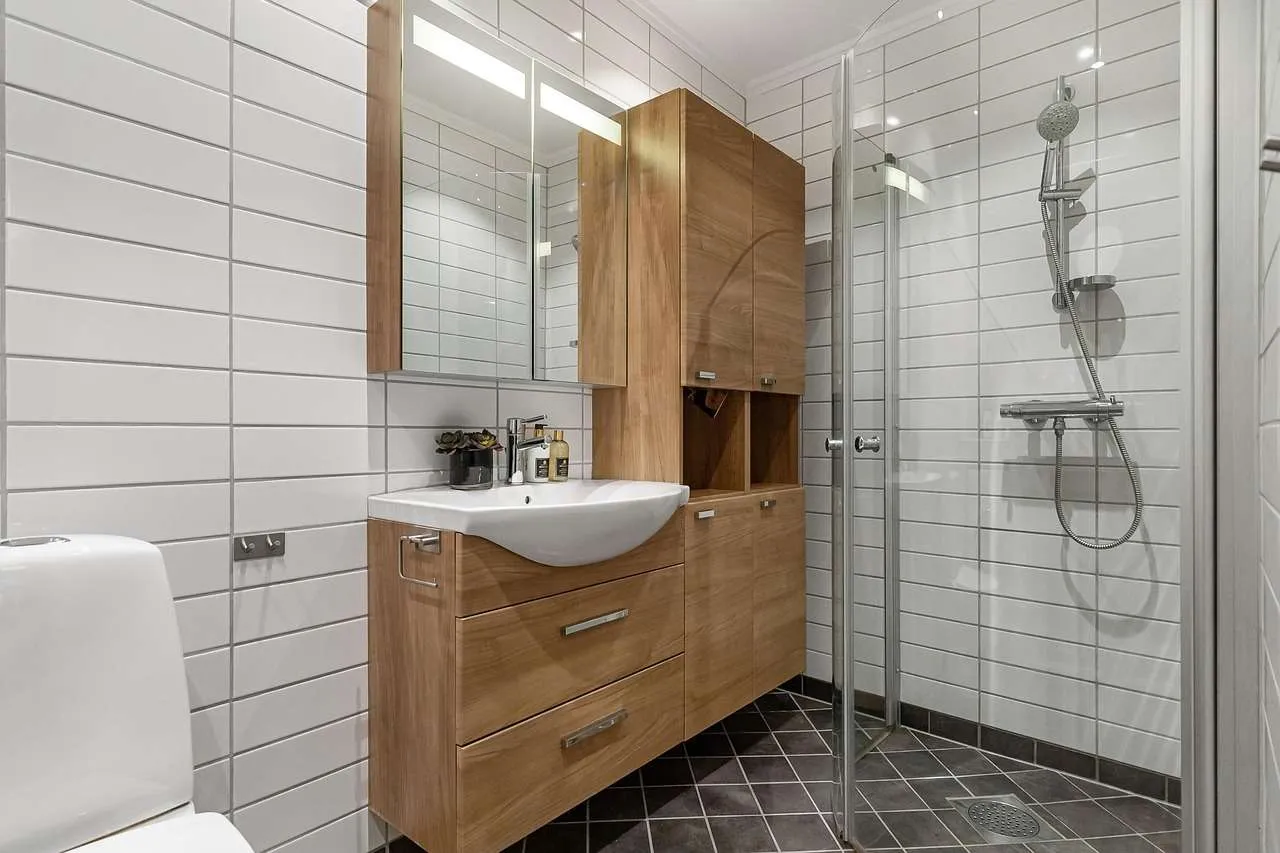
When space is tight, every inch matters. Small bathroom ideas are less about chasing big renovations and more about clever layouts, durable fixtures, and light-filled finishes that make a room feel larger. This guide delivers practical strategies to improve flow, storage, and comfort in compact bathrooms, while prioritizing credibility, reliability, and trustworthy recommendations. You’ll learn proven layout choices, smart storage, durable materials, and budget-friendly improvements that work in real homes.
1. Optimize Layout for Small Bathrooms
Layout is the foundation of a functional small bathroom. Prioritize a configuration that minimizes wasted space and maximizes usable areas. Consider a combined shower and niche approach with a glass enclosure to visually expand the room. A compact wall-mounted vanity or a corner sink can free precious floor space, while a vanity with open shelves keeps essentials accessible. If possible, install a pocket door or a sliding door to eliminate door swing interference that eats into usable area.
Think through the wet zone location: placing the shower against a long wall and the toilet on the opposite wall often yields a more open feel. For very tight footprints, a corner shower stall with a clear glass panel is more space-efficient than a full shower enclosure. Always include a moisture-resistant backer and proper ventilation to prevent mold and mildew, which can shrink perceived space by making the room feel stuffy.
2. Storage Solutions That Save Space
Storage is the secret weapon in small bathrooms. Vertical storage keeps the floor clear and draws the eye upward, creating a sense of height. Install recessed niches in the shower for shampoo, soap, and razors, and consider a medicine cabinet with a mirrored front to combine storage with a reflective surface that brightens the room. Floating vanities with open shelves or baskets underneath provide storage without visually weighing the space down. Over-the-toilet units, slim corner caddies, and wall-mounted towel racks contribute organization without clutter.
Design tip: use uniform containers and slimline organizers to reduce visual chaos. Choose plans with moisture-resistant finishes and UV-stable materials to resist humidity. Regular maintenance—like wiping down shelves and sealing any gaps—extends the life of this storage system and maintains a polished look.
3. Color, Materials, and Lighting
Light colors and reflective surfaces create a brighter, larger impression in small bathrooms. Opt for pale neutrals, soft whites, or cool grays paired with glossy tiles, glass, or polished stone to bounce light around the room. If you prefer color, use it sparingly as an accent—think a single tiled band, a colored vanity, or a vibrant accessories palette that avoids overwhelming the space.
Layered lighting is essential: install a bright, even overhead light and add task lighting around the mirror. LED strips under floating vanities or within niches provide subtle ambient glow without adding bulk. Ventilation matters too; a quiet exhaust fan reduces moisture, preserving finishes and reducing mold risk, which in turn preserves the room’s perceived size over time.
4. Fixtures and Accessories
Choose compact fixtures designed for small spaces. A wall-mounted toilet or a corner pedestal sink can free floor space for a more open feel. A frameless glass shower door reduces visual barriers and makes the room appear larger. If space allows, a recessed shower bench or niche adds comfort without stealing space. Mirrors with integrated lighting can double as a design feature and amplify natural or artificial light.
Keep accessories minimal and cohesive: match metal finishes (brushed nickel, matte black, or chrome) across hardware, taps, and towel bars. A single, well-chosen focal point—such as a statement tile or a bold vanity—can anchor the design without creating clutter.
5. Materials and Maintenance
Prioritize moisture-resistant materials that stand up to humidity and routine cleaning. Porcelain or ceramic tile, quartz countertops, and solid-surface shower surrounds resist staining and require less upkeep. Avoid highly porous surfaces in wet zones if possible, and seal grout lines to prevent mold growth. Low-VOC paints and finishes improve indoor air quality, a key factor in trust and long-term satisfaction with a small bathroom project.
Durability matters for EEAT: choose reputable brands, verify warranty terms, and document installation steps. Easy-to-clean surfaces, like large-format tiles with minimal grout or expansive glass panels, reduce maintenance time and help keep the space feeling fresh over time.
6. Budget-Friendly Ideas and Quick Wins
Small changes can yield noticeable results without a large investment. Refinish or paint existing cabinetry, replace a dated vanity with a slim, wall-mounted unit, install a mirror with built-in lighting, or swap out hardware for a cohesive, modern look. Use mirrors, glass, and bright finishes to visually expand the room. If you’re renovating, select moisture-resistant materials with local availability to minimize delivery costs and downtime.
7. Ideas Comparison
| Idea | Pros | Cons | Best For |
|---|---|---|---|
| Floating vanity | Perceived space, easy cleaning, modern look | Limited storage; requires sturdy wall mounting | Small bathrooms with wall strength and a contemporary vibe |
| Pocket door | No swing clearance, maximizes usable width | More complex installation; costlier | Very tight footprints |
| Frameless glass shower | Feels open; fewer grout lines | Higher cleaning standard; higher upfront cost | Water-efficient, modern bathrooms |
| Recessed storage niches | Leaves floor space clear; organized | In-wall work required; planning precision | Wet zones and high-traffic bathrooms |
| Light-reflective surfaces | Brightens space; visually enlarges room | Requires maintenance of reflective finishes | Any small bathroom aiming for airiness |
For a practical example, combine a pocket door with a floating vanity and a frameless shower. Use pale tiles with a narrow grout line to minimize visual segmentation, and add a tall mirrored cabinet to extend the sense of space while providing essential storage. This combination delivers a cohesive, modern look with efficient use of square footage.
Conclusion
Conclusion, small bathroom ideas thrive on smart layouts, vertical storage, light-reflective finishes, and durable, easy-to-maintain materials. By prioritizing a space-saving configuration, compact and wall-mounted fixtures, recessed storage, and layered lighting, you can create a bathroom that feels larger, functions better, and remains visually cohesive. With careful material choices, reliable brands, and attention to moisture control, these ideas deliver long-term value and satisfaction while staying within budget. Summary: thoughtful layout, strategic storage, bright finishes, and durable fixtures transform compact spaces into comfortable, efficient bathrooms.