What is home window tint?
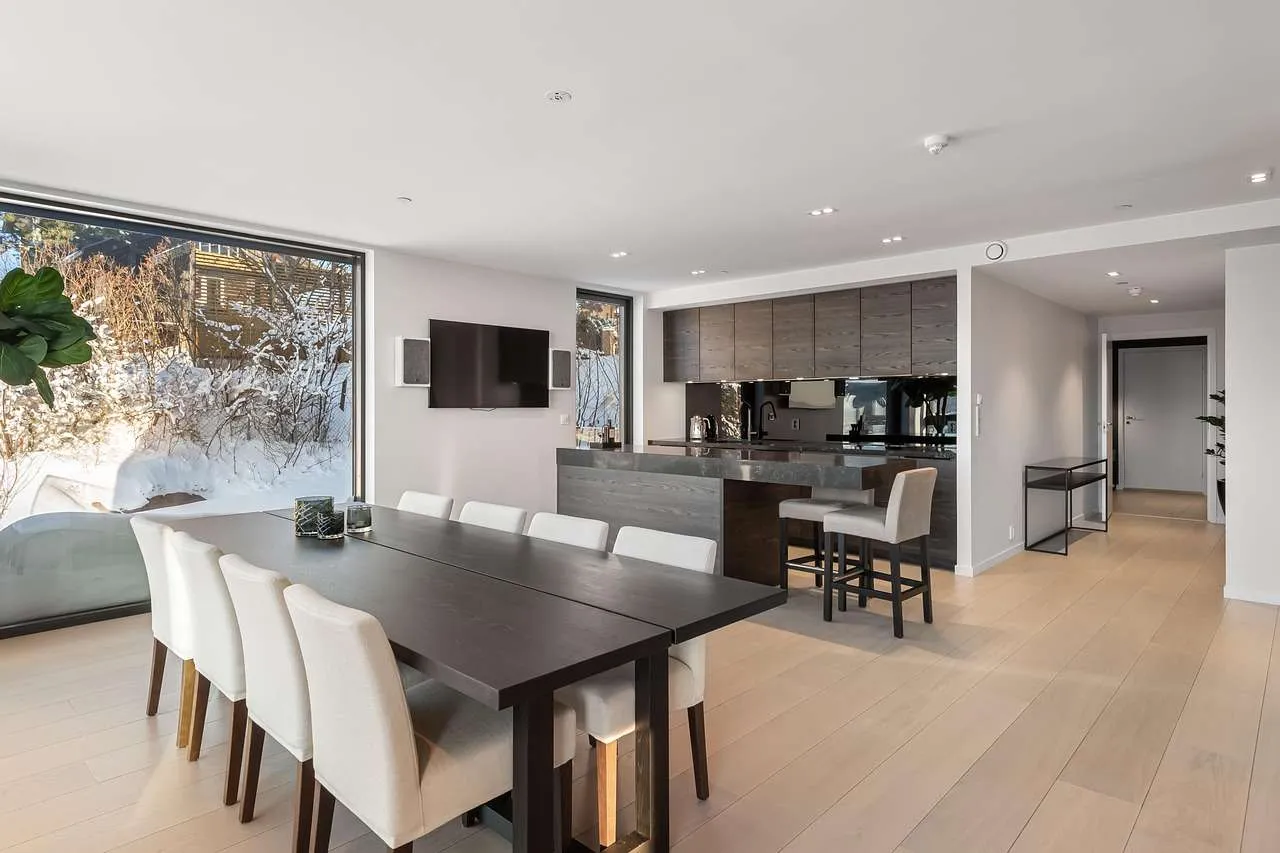
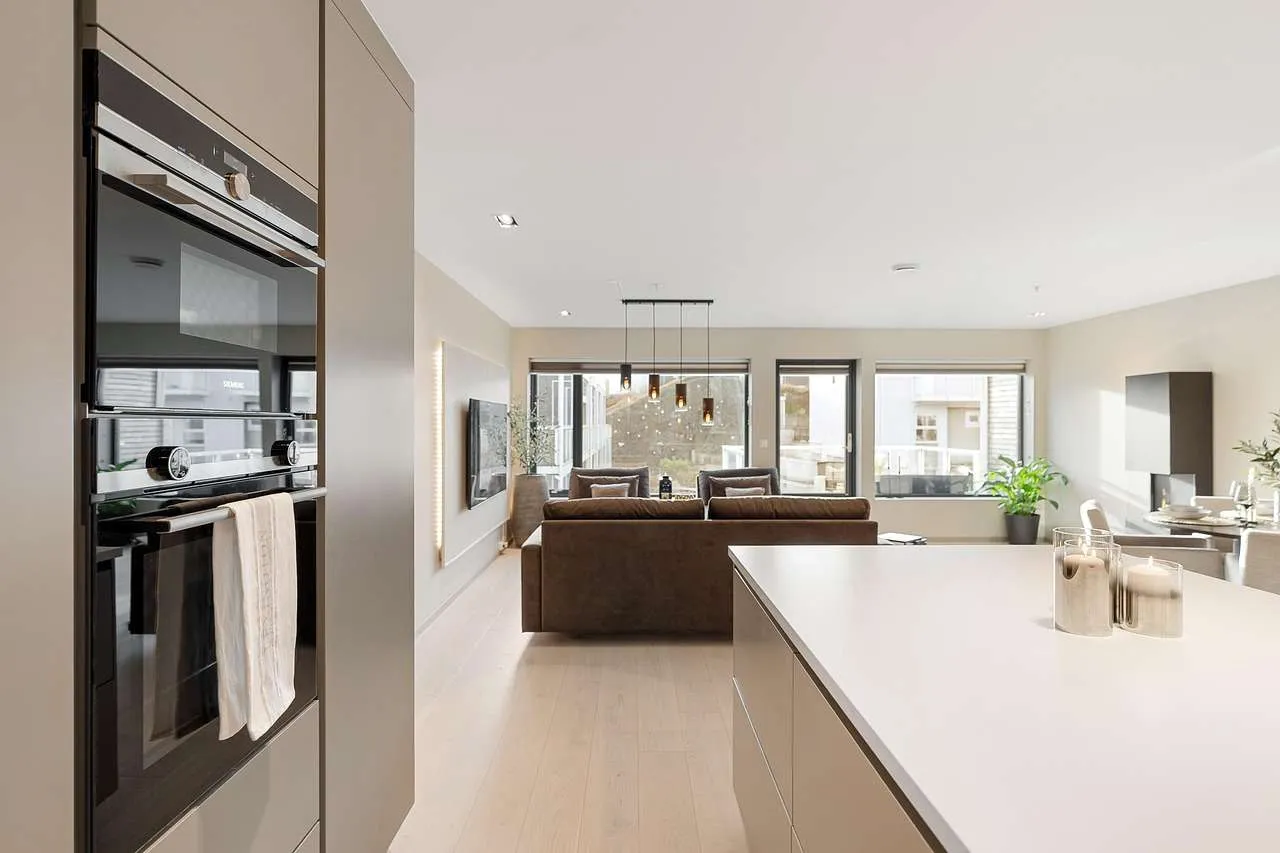
Window tint is a thin film applied to glass to alter light and heat transfer. It comes in various formulations that filter ultraviolet light, reduce glare, and add privacy without blocking daylight completely. Quality installation by trained technicians ensures a smooth finish and durable adhesion.
Benefits of home window tint
UV protection
Most modern tints reject up to 99% of ultraviolet rays, helping protect furnishings and skin from sun damage.
Energy efficiency and glare control
Tints reduce solar heat gain, lower cooling loads in summer, and minimize glare on screens and in rooms that get strong sun.
Privacy and safety
Even mid range tints offer daytime privacy. Some films also hold glass together upon breakage, adding a level of safety.
Types of home window tint
Dyed window tint
Dyed films are the most affordable, delivering good privacy and glare reduction. They do not offer the strongest heat rejection and can fade over time in strong sun.
Metalized window tint
Metalized films reflect a portion of heat and light. They provide excellent heat rejection and added strength but can interfere with electronic signals if installed on large areas or near antennae; professional installation is recommended.
Ceramic window tint
Ceramic tints use non-conductive particles, offering excellent heat rejection, strong UV protection, and minimal interference with electronics. They are typically more expensive but last longer and stay clearer.
Carbon or other high-performance tint
Carbon films reduce infrared heat and usually maintain color over time without interfering with signals. They strike a balance of performance and price.
How to choose the right tint
Key considerations include the desired level of privacy, the amount of daylight you want to keep, and local regulations. Look for specification details like visible light transmission (VLT), total solar energy rejection, UV rejection, and warranty.
- Visible Light Transmission (VLT): Higher VLT means more natural light but less privacy.
- UV rejection: Aim for at least 99% UV protection.
- Heat rejection: Check the Solar Heat Gain Coefficient SHGC rating if available.
- Film quality and warranty: Choose a reputable brand and installer.
Installation options and costs
DIY tint kits exist, but most homes benefit from professional installation. DIY costs are typically lower upfront but may void warranties or leave bubbles if not applied correctly.
Typical price ranges: DIY kits for small projects range from 100 to 400, while professional installation for whole-home projects can range from 1,000 to 4,500 depending on window size, tint type, and installation complexity. Ask for a written estimate, warranty terms, and maintenance instructions.
Comparison of common tint types
| Tint Type | UV Rejection | Glare Reduction | Signal Interference | Typical Cost | Best For |
|---|---|---|---|---|---|
| Dyed | Up to 99% | Moderate | None | Low | Privacy and budget |
| Metalized | High | High | Possible interference | Medium | Heat control, durability |
| Ceramic | High | Excellent | None | High | Best overall performance |
| Carbon | High | Good | None | Medium-High | Color stability, heat rejection |
Maintenance and care
Clean with a soft cloth and mild soap. Avoid abrasive cleaners and ammonia-based products that could degrade the film over time. Periodic inspection after extreme weather is recommended to catch peeling or bubbling early.
Certified installers and what to ask
Choose installers with experience, proper licensing, and warranty coverage. Ask about film brands, the expected lifespan, surface preparation, and whether they guarantee bubble-free application. A reputable shop will provide before-and-after photos and a written warranty.
Conclusion
Conclusion, home window tint delivers energy savings, privacy, UV protection, and safety. By choosing the right tint type, considering VLT and SHGC, and hiring a qualified installer, you can enjoy comfort and long-term value without sacrificing daylight.